24/7 Emergency Response
Mold Removal in Pensacola, FL
24/7 emergency mold remediation and water damage restoration. Locally owned. Insurance approved. Free inspections.
- 24/7 Emergency Response
- Insurance Approved
- IICRC Certified
- Locally Owned
Mold Problems in Pensacola Homes
Pensacola sits at the intersection of nearly every condition that breeds mold. Our humid subtropical climate keeps average relative humidity above 70% for most of the year, and summer dewpoints in the upper 70s push attic temperatures past 130°F while condensation forms on every cool surface inside the house. That combination — warm, wet, and still — is exactly what mold needs to colonize drywall, framing, insulation, and HVAC components within 24 to 48 hours of a moisture event.
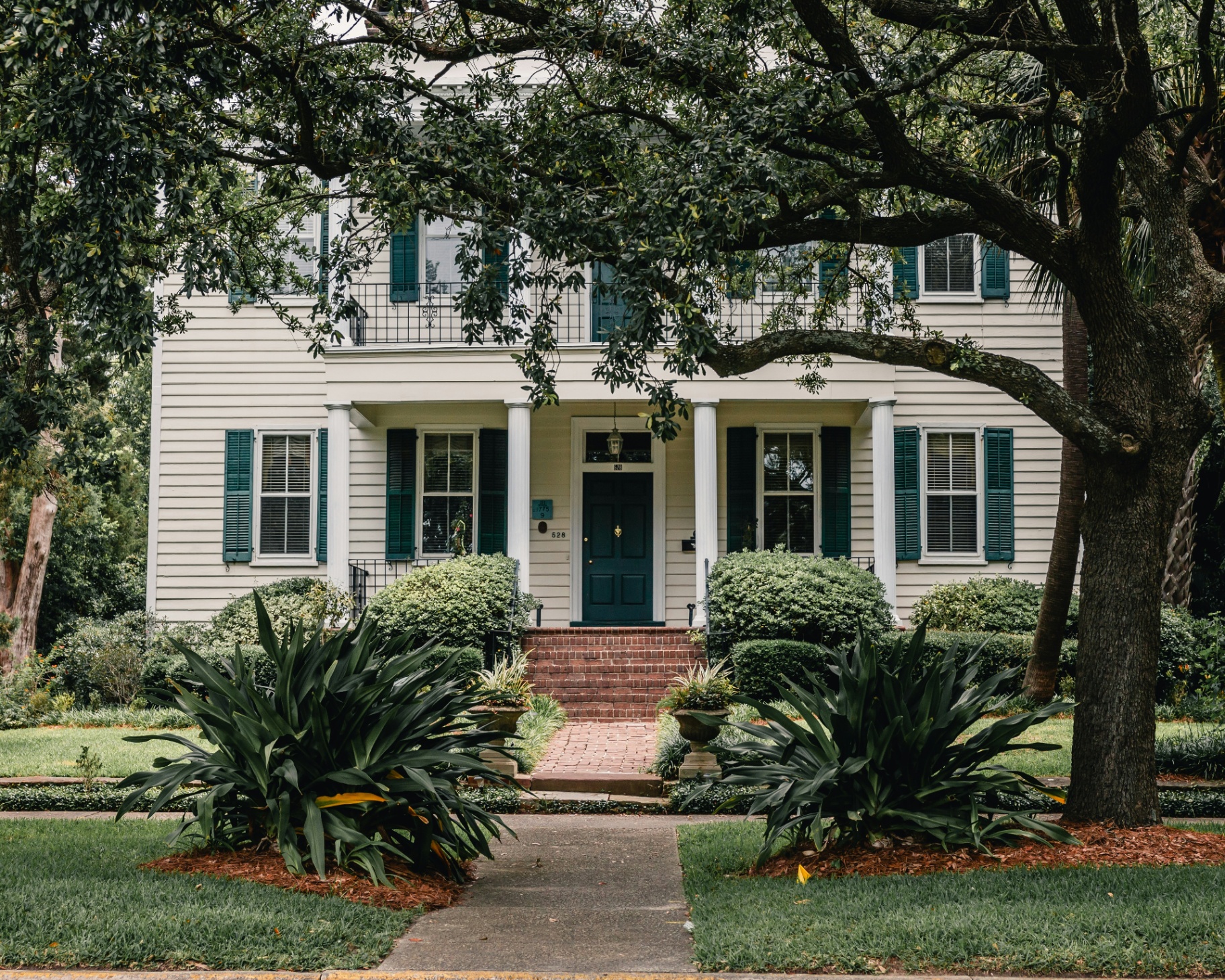
Hurricane exposure compounds the problem. Hurricane Sally in 2020 dumped more than two feet of rain on parts of Escambia County in under 24 hours, and Hurricane Ivan in 2004 reshaped the entire region's water tables and building stock. Older neighborhoods like East Hill, North Hill, and Cordova Park carry a high proportion of pre-1980 framing that wasn't built for modern moisture-load expectations. Slab homes in Brent, Warrington, and Myrtle Grove often see chronic wicking from poorly drained yards.
Coastal communities along Perdido Bay, Pensacola Beach, and Gulf Breeze face additional salt-air corrosion that quietly opens flashing and roof penetrations to slow leaks. NAS Pensacola base housing has its own well-documented humidity and ventilation history. And in flood-prone areas near Bayou Texar, Bayou Chico, and Carpenter Creek, even routine summer downpours can push standing water into crawl spaces.
The pattern we see daily as a local mold remediation team is consistent: a small, ignored moisture problem becomes a four-figure repair within a season, and a five-figure repair if it reaches HVAC ductwork or framing. The cheapest mold job is always the one caught early through a professional mold inspection.
Our Mold Removal Services
We focus on residential mold and water damage in Escambia and Santa Rosa counties. Every job is performed by IICRC-certified technicians using HEPA filtration, negative-pressure containment, and documented post-verification testing. Below is a quick look at each service — follow the links for the full process and what to expect.
Mold Remediation
Full-scope removal with containment, HEPA filtration, antimicrobial treatment, and rebuild.
Learn more →Mold Inspection & Testing
Free visual inspections and flat-fee lab testing for insurance, real-estate, and health concerns.
Learn more →Water Damage Restoration
Water extraction, structural drying, and dehumidification before mold has a chance to colonize.
Learn more →Hurricane Mold Cleanup
Post-storm flood mop-out, demolition, and remediation — we mobilize within hours of landfall.
Learn more →Crawl Space & Attic Mold
Encapsulation, vapor barriers, and full attic decontamination for Pensacola's humid envelopes.
Learn more →Black Mold Removal
Strict containment protocols for Stachybotrys and other toxigenic species.
Learn more →Our Mold Remediation Process
Every job follows the same documented seven-step process published by the IICRC (S520 Standard for Professional Mold Remediation). It's the same protocol your insurance adjuster expects to see in the paperwork, and it's what separates a remediation from a cosmetic clean-up that lets mold return in 90 days.
- 1
Free Inspection
Walkthrough, moisture mapping, and a written scope before any work begins.
- 2
Containment
Plastic barriers and negative-pressure machines isolate the work area from the rest of the home.
- 3
Air Filtration
HEPA scrubbers run continuously to capture airborne spores during removal.
- 4
Mold Removal
Affected drywall, insulation, carpet, and porous materials are bagged and removed; framing is HEPA-vacuumed and treated.
- 5
Drying & Dehumidification
Commercial-grade dehumidifiers bring moisture content below 16% to prevent regrowth.
- 6
Restoration
Drywall, insulation, paint, and trim are rebuilt to pre-loss condition.
- 7
Post-Verification Testing
Third-party air clearance confirms the area is back below baseline before we close the job.
What Mold Removal Costs in Pensacola
Honest pricing first: most residential mold removal jobs in Pensacola fall between $500 and $6,000. A small bathroom or single-wall job often lands under $1,500. A whole-room remediation with drywall replacement typically runs $2,500 to $6,000. Severe cases — HVAC contamination, crawl-space rebuilds, or full-house remediation after major flooding — can reach $15,000 to $30,000 or more.
Four factors drive the final number:
- Square footage affected. Cost scales linearly with the area requiring containment, removal, and rebuild.
- Mold type and location. Stachybotrys and Chaetomium require stricter PPE and disposal. Mold inside HVAC ducting or behind tile is dramatically more expensive than surface mold on painted drywall.
- Water source. Clean water (a burst supply line) is cheaper to remediate than gray water (appliance overflow) or black water (sewage, flood water), which require full demolition of porous materials.
- Restoration scope. Drywall, paint, baseboards, flooring, and cabinetry rebuilds add cost but are usually itemized separately so you can decide how far to take the rebuild.
On insurance: most Florida homeowners policies cover mold damage caused by a sudden, accidental water event, with caps typically between $10,000 and $50,000. Mold caused by long-term seepage or flood water (which falls under separate NFIP flood insurance) is usually excluded. We work directly with Citizens, State Farm, Universal, Tower Hill, Heritage, ASI, and every other major carrier serving the Florida Panhandle, and we handle the documentation your adjuster needs.
Signs You Need Mold Removal
If you're seeing any of these, schedule a free inspection before the problem grows:
- Visible mold. Any fuzzy, slimy, or discolored patches on walls, ceilings, baseboards, grout, or HVAC vents — even small ones.
- Musty or earthy odors. A persistent damp-basement smell, especially near bathrooms, laundry rooms, or air returns, almost always means hidden colonization.
- Water stains or discoloration. Yellow, brown, or rust-colored marks on drywall and ceilings indicate past or active moisture intrusion.
- Recent flooding or roof leaks. Anything beyond 24 hours of exposure should be inspected — mold begins growing within 24 to 48 hours.
- Unexplained allergic symptoms. Coughing, sneezing, itchy eyes, headaches, or skin rashes that improve when you leave the house and return when you come home.
- Worsening respiratory issues. Asthma flare-ups, sinus infections, or new-onset breathing trouble — especially in children and older adults.
- Recent hurricane or storm damage. Even small wind-driven rain intrusion behind siding or under shingles can fuel hidden mold for years.
- Chronic humidity issues. Indoor relative humidity above 60%, condensation on windows, or warped wood floors all point to a moisture problem that will produce mold.
Why Choose Local Mold Removal Pensacola
We're not a franchise. We don't have call-center scheduling or royalty payments rolled into your invoice. We're a local Pensacola crew, IICRC-certified, that lives and works within the same zip codes we serve — which is why we can have a technician on site within an hour for emergency calls in Escambia and Santa Rosa counties.
That local focus matters in practical ways. We know which Citizens and State Farm adjusters serve the Panhandle and what documentation they expect. We know which neighborhoods have block-on-slab construction, where attic mold patterns are worst after a tropical system, and which roofers in the area do clean repair work. When you call, you talk to someone who's been inside a thousand Pensacola homes — not a national dispatcher running a script.
We carry full liability and workers' comp insurance, follow IICRC S520 protocols on every job, and back our remediation work with a written re-test guarantee.
Mold Removal Questions, Answered
+How long does mold remediation take in Pensacola?
Most residential mold remediation projects in Pensacola take 2 to 5 days from start to finish. Small contained jobs — a single bathroom wall, a closet, or a vanity cabinet — are often finished in a single day. Whole-house remediation following major water intrusion from a storm or burst pipe can take 7 to 14 days because of the additional drying, demolition, and post-verification testing required. Our crew gives you a written timeline after the free inspection so you know exactly what to expect.
+Does homeowners insurance cover mold removal in Florida?
Most Florida homeowners policies cover mold removal when the mold is caused by a sudden, accidental water event — a burst pipe, a roof leak from a windstorm, an overflowing appliance. Coverage is typically capped between $10,000 and $50,000 depending on your policy. Mold caused by long-term seepage, deferred maintenance, or flooding (which requires separate NFIP flood insurance) is usually excluded. We work directly with every major Florida carrier — Citizens, State Farm, Universal, Tower Hill, Heritage, and others — and document everything your adjuster needs.
+How much does mold removal cost in Pensacola?
Typical residential mold removal in Pensacola runs $500 to $6,000. Severe cases involving HVAC contamination, crawl space rebuilds, or whole-house remediation after hurricane flooding can reach $15,000 to $30,000 or more. Cost is driven by square footage affected, where the mold is located (drywall is cheaper than HVAC ducting or subfloor), the type of mold present, and how much demolition and rebuild work is required. Every job starts with a free, no-pressure on-site inspection and a written estimate.
+Is black mold dangerous?
“Black mold” usually refers to Stachybotrys chartarum, though several other dark molds look similar. For most healthy adults, short exposure causes allergy-style symptoms — coughing, congestion, itchy eyes, headaches. For infants, the elderly, people with asthma or COPD, and anyone immunocompromised, prolonged exposure can trigger more serious respiratory issues. The safer answer is simple: don't try to clean visible black mold yourself. Containment failures spread spores through the entire HVAC system, making a small problem into an expensive one.
+How do I know if I have hidden mold?
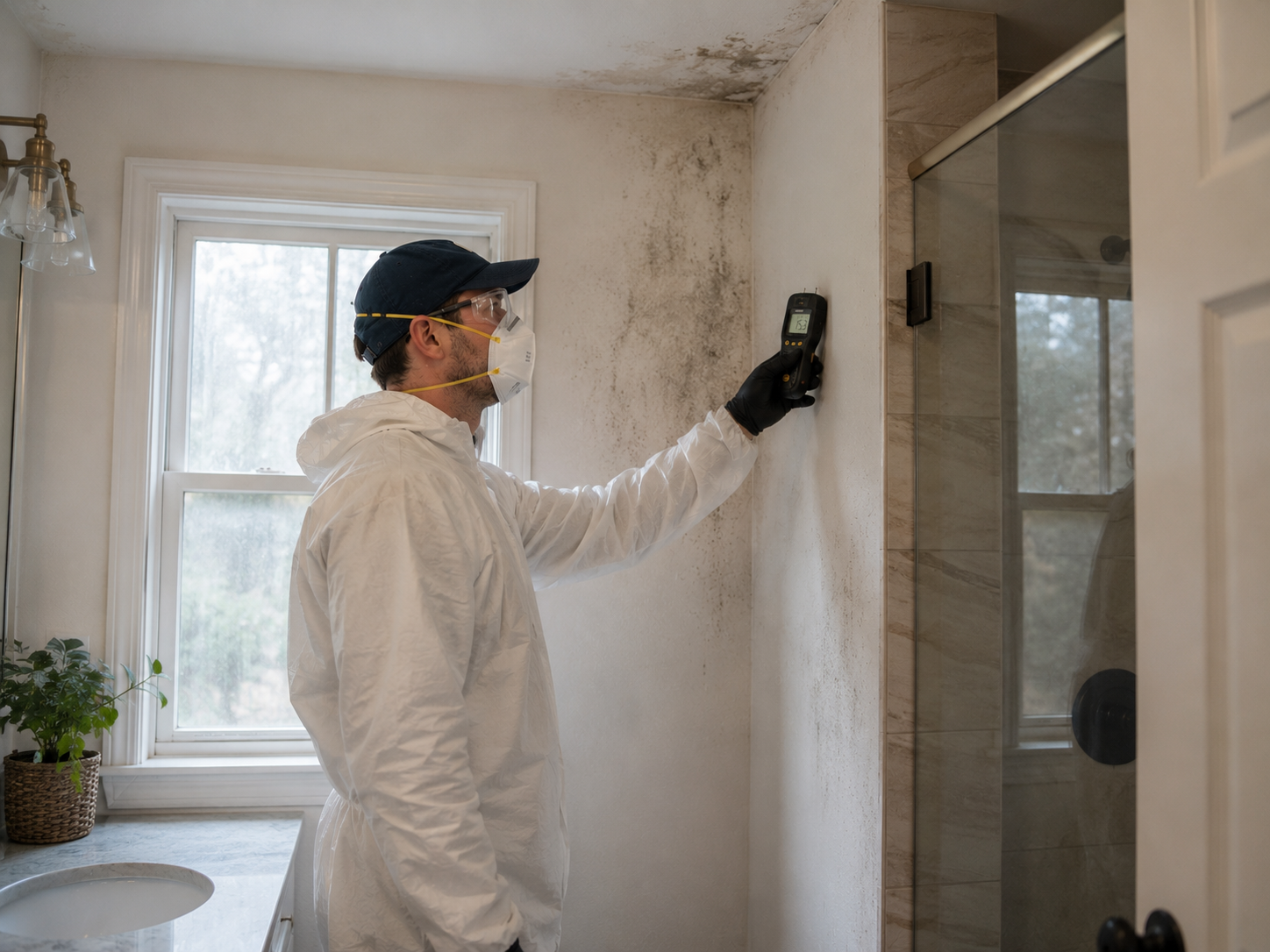
Hidden mold gives off signals before you ever see it. A persistent musty or earthy smell — especially near bathrooms, laundry rooms, HVAC vents, or exterior walls — is the most reliable indicator. Other signs include unexplained allergy or respiratory symptoms that improve when you leave the house, warped or bubbling paint, condensation on windows or pipes, and water stains on ceilings or baseboards. A professional mold inspection uses moisture meters, thermal imaging, and air sampling to confirm what's behind your walls without unnecessary demolition.
+What's the difference between mold removal and mold remediation?
“Mold removal” is the everyday term for physically taking mold out of a structure. “Mold remediation” is the full industry process that includes inspection, containment, air filtration, removal, cleaning, drying, restoration, and post-verification testing. Removal is a step inside remediation. When you hire an IICRC-certified contractor for remediation, you're paying for the whole process — not just scraping mold off a wall — which is what actually prevents regrowth.
+Do you do free inspections?
Yes. Every residential mold inspection in Pensacola, Pace, Milton, Gulf Breeze, Cantonment, and Navarre is free and comes with no obligation. A certified technician walks the property, identifies moisture sources, locates affected areas, and gives you a written scope and price before any work begins. If lab testing is recommended — for an insurance claim, a real-estate transaction, or to identify specific species — we provide a flat-fee quote up front.
Service Area
We serve homeowners across the Pensacola metro area and the Florida Panhandle Gulf Coast. Our service area includes Pensacola, Pace, Milton, Gulf Breeze, Cantonment, Navarre, along with the surrounding Escambia and Santa Rosa County communities. See the full service area page for details on each city.
Pensacola zip codes regularly served: 32501 · 32502 · 32503 · 32504 · 32505 · 32506 · 32507 · 32514.
Mold Problem? Don't Wait.
Free inspection. Insurance approved. 24/7 emergency response across Pensacola and the Gulf Coast.
Or request a callback — we'll be in touch within the hour.